
School Socio-economic Reports.
Know your community. Close the Gap
Making sure your pupil premium strategy starts with the right questions
Pupil premium money doesn’t always hit the mark, sometimes the strategies are built on assumption rather than evidence about what’s actually happening in the streets and homes your pupils come from.
Our School socio-economic reports give you the pupil-level picture that can drive strategies matched to reducing your cohorts specific barriers.
“This is a fantastic report - I have enjoyed absorbing it over the last few days. It is also very timely as we are currently writing our school improvement priorities. I will be sharing your contact details with the wider trusts and my network if that’s okay. This is definitely something all schools should be considering commissioning.” Headteacher - West Midlands
“Leaders have established a culture in which staff understand the range of barriers that pupils may face to their learning and/or wellbeing, including those specific to their community and the school’s context; they quickly and accurately identify pupils facing these barriers.”
Ofsted School Inspection Handbook 2025
It’s now an explicit descriptor that inspectors look for. The question isn’t around a school having good intentions - it’s whether you can demonstrate that you understand your specific community and have built your strategy around that understanding. Our socio-economic reports give you the evidence base to do exactly that.
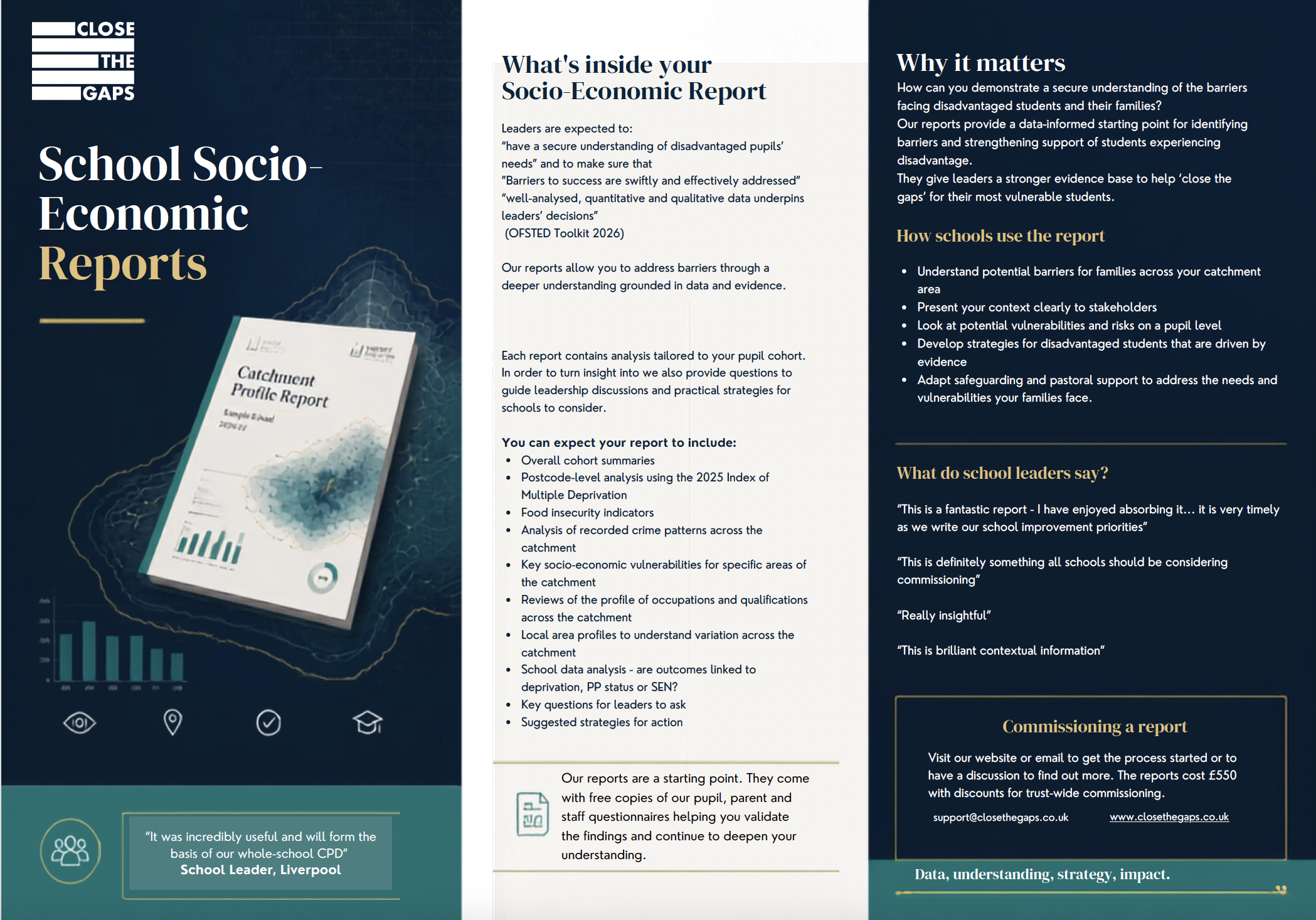
Your school’s socio-economic report - postcode level insight into the barriers your pupils and families face, built around your catchment and cohort.
Our Reports
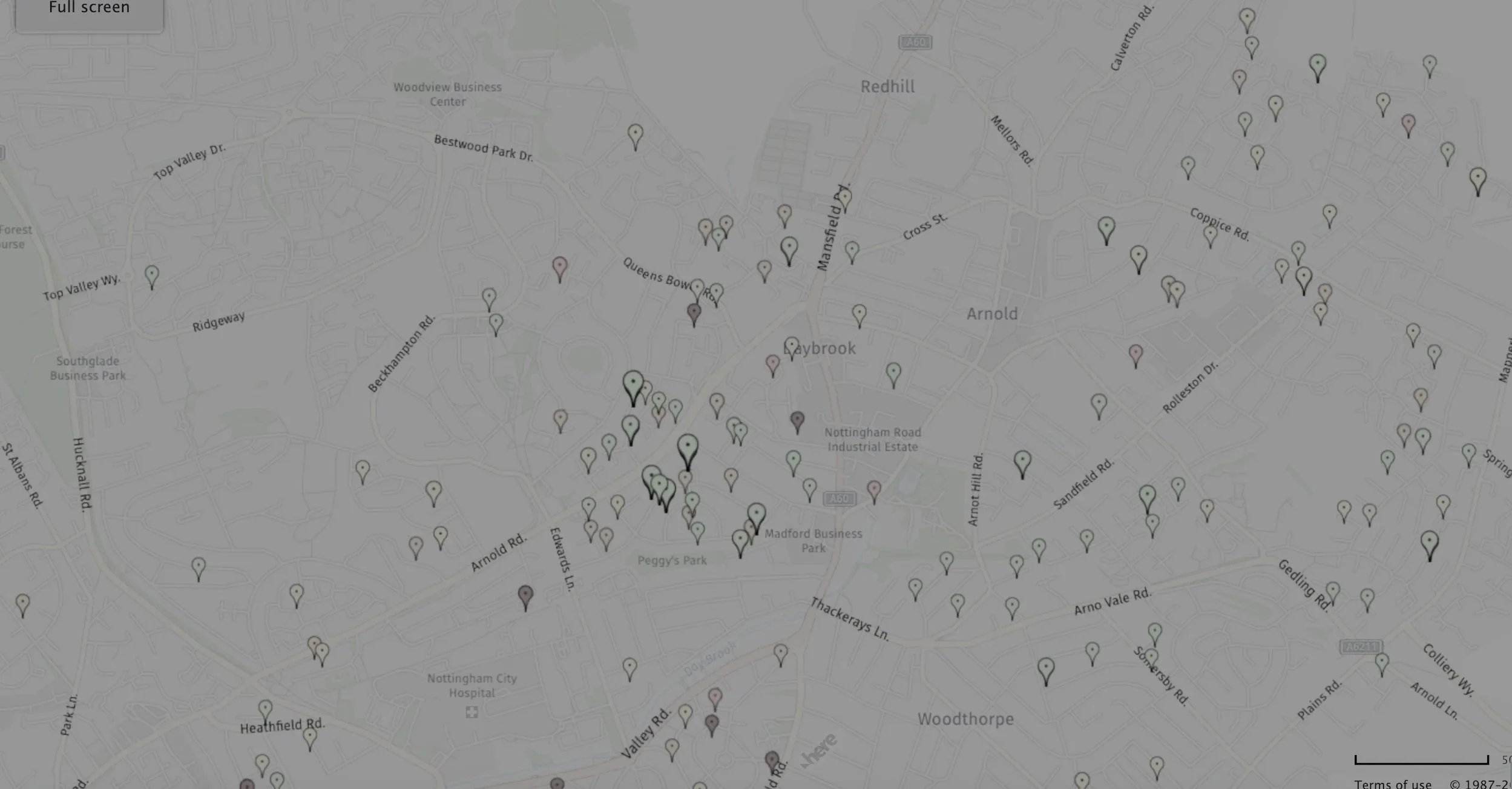
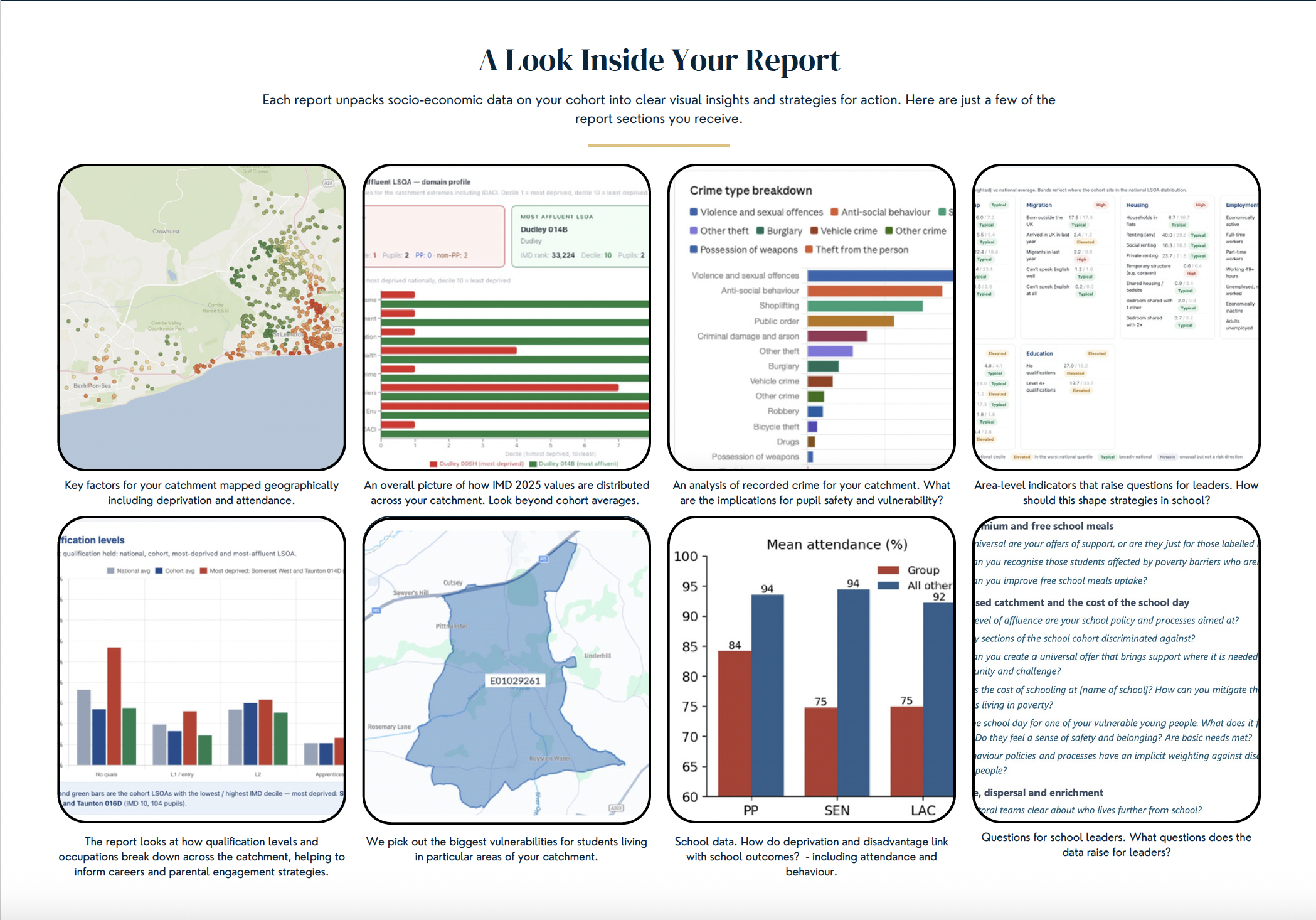
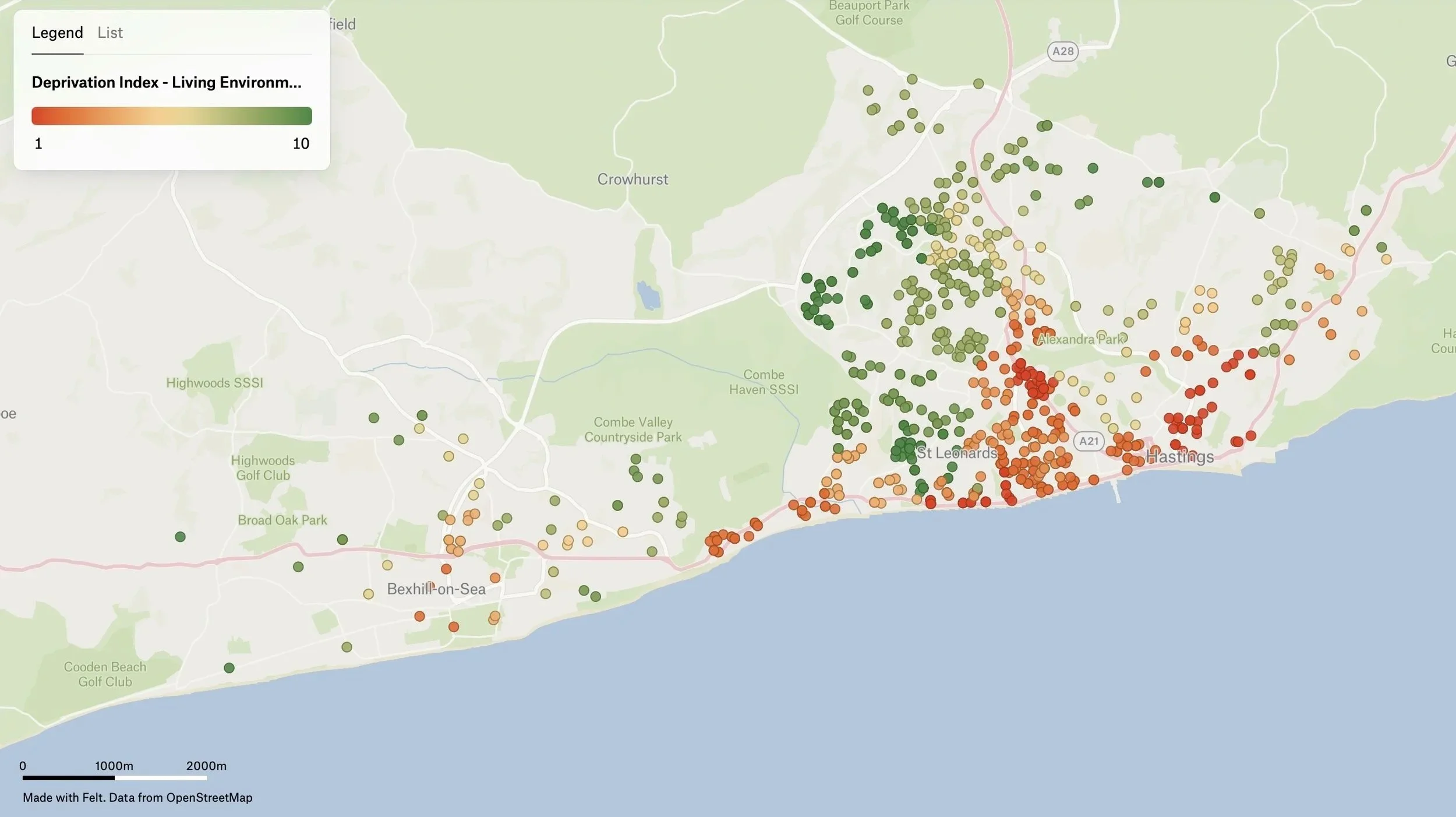
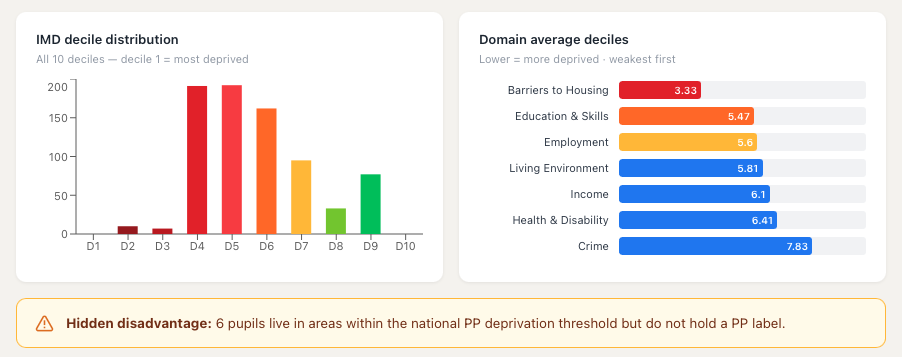
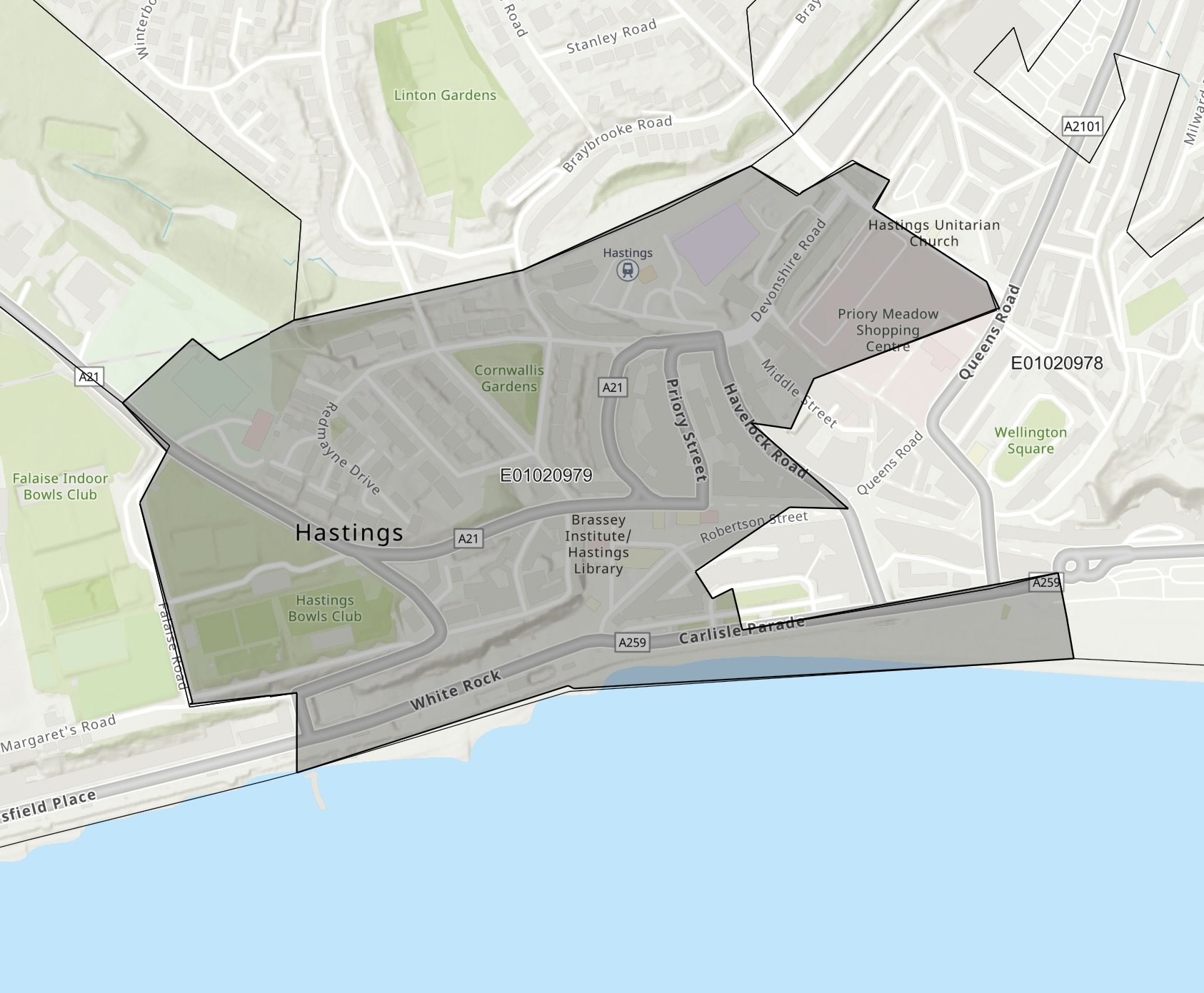
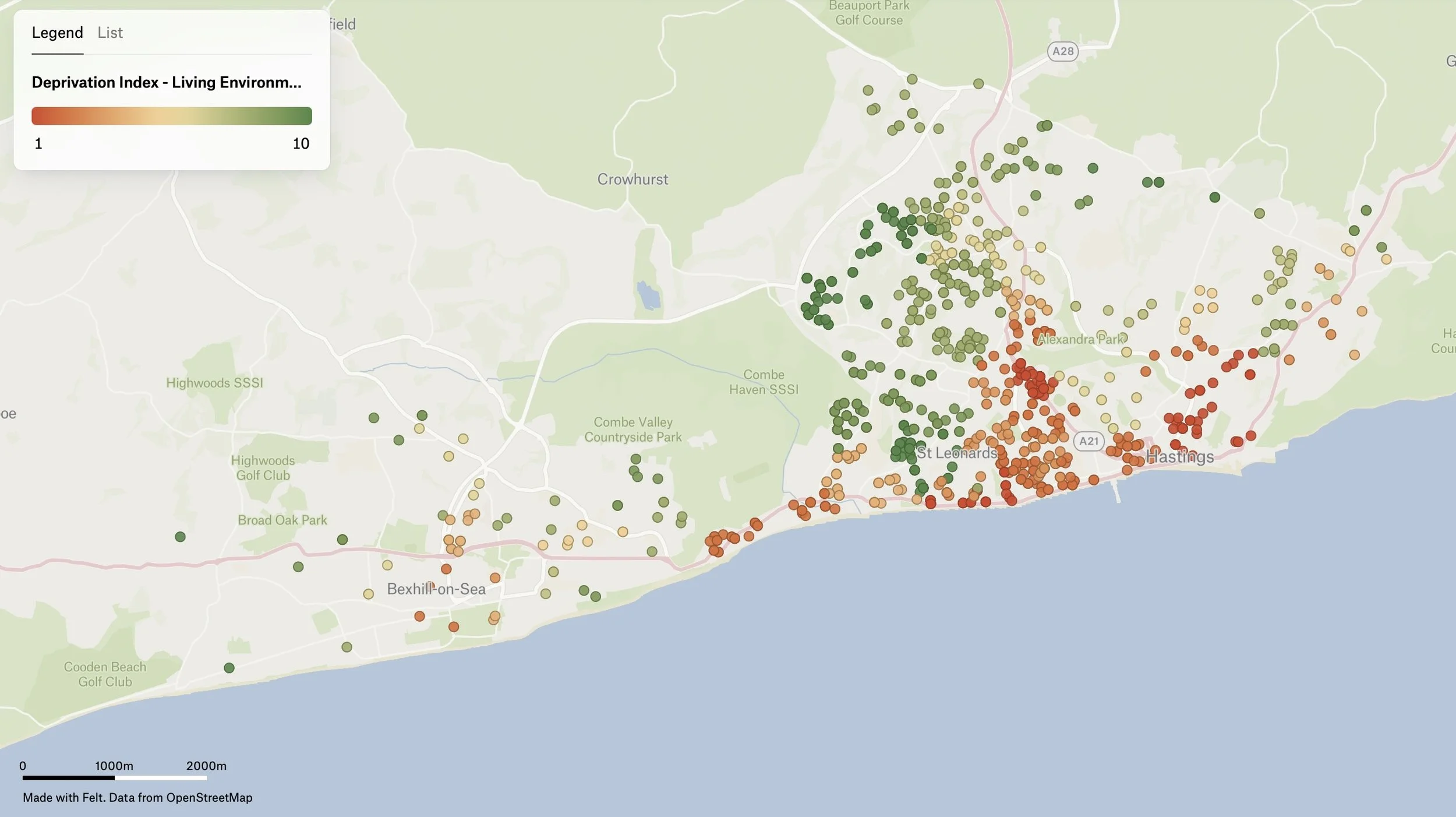
Understand exactly where deprivation is concentrated - where do you deprived pupils live and what does that mean.
IMD2025 postcode analysis mapped
Connect safeguarding vulnerabilities to geography - build a curriculum response that reflects your context.
Local crime statistics by type and area
Know which families are most likely to be affected by food poverty - plan your early help accordingly.
Food security mapping
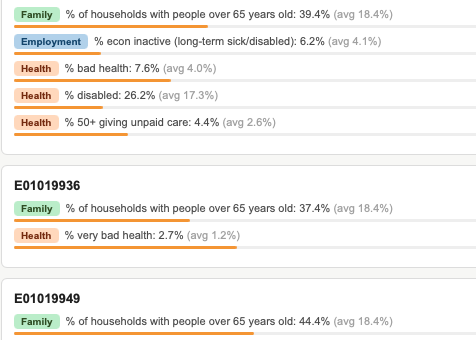
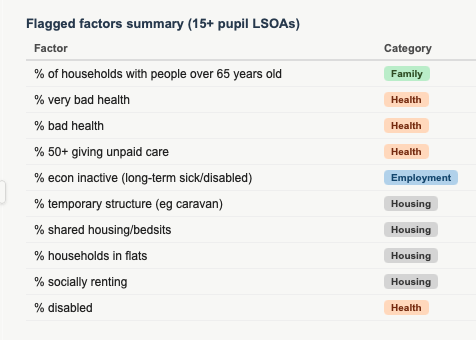
Looking at census data tells us where families may have vulnerabilities around housing, migration, health and more.
Census analysis
Analysis of occupation and qualifications helps understand what local role models and norms are like.
Occupation and qualification data
See how absence maps onto deprivation - and use that to drive your attendance strategy in the right places.
Geographical analysis of your attendance data
A starting point for action from your report.
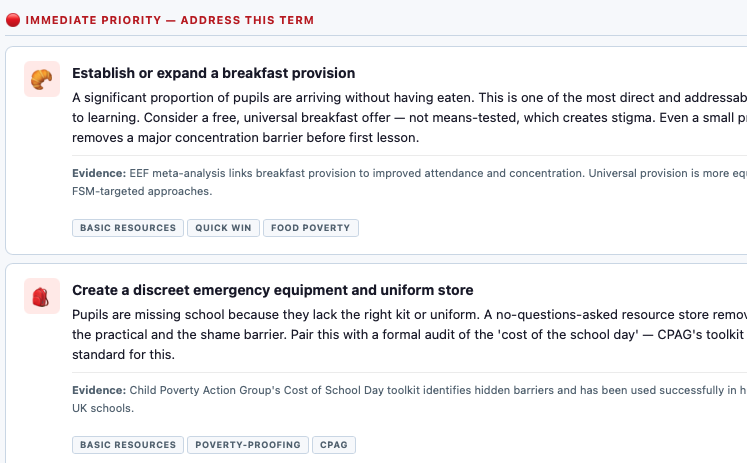
Key questions and suggested solutions
Help to translate your report into concrete next steps.
A follow up meeting to help you plan your strategy
What others said:
“It (the report) was incredibly useful and will form the basis of our whole school CPD in September.”
— Assistant Principal, Secondary School - Liverpool“Your report has really helped get our strategy strengthened and more effective”
—Executive Principal, Secondary academy - Nottingham“This is brilliant contextual information.”
— Headteacher AP schoolFree survey tool
Our socio-economic reports suggest likely barriers for your pupils and their families. Our questionnaire and analysis tool work to support those findings with valuable pupil, parent and staff voice. All socio-economic reports come with free access to both the questionnaires and the analysis tool.
Ready to get your report?
Your report is £550 - which includes the full postcode analysis, all data sets, an action planning meeting and a set of pupil, parent and staff voice questionnaires.
Most schools tell us the action planning meeting can reframe how they think about their pupil premium strategy. The data tends to surface things they suspected but couldn’t evidence - and a few things they didn’t expect at all.
Not sure if this is right for your school? Drop us an email at support@closethegaps.co.uk or book a free 30-minute conversation and we’ll talk it through.
Frequently Asked Questions
-
We run reports from a minimum of postcode data for your cohort. If you add UPN it allows you to track information back to individual students when you get the report back. We can also analyse any other factors - attendance, behaviour data, suspensions - whatever you think is important.
-
We don’t just run an IMD analysis. We look at other sources of data, crime, food insecurity and census data to build you a detailed picture of potential vulnerabilities. We also share strategies and links to help support you to link school actions to these areas.
-
The only sensitive data we work with is the postcodes and UPN’s of your students. We supply our data policy before each report and use password security to send data.
-
We complete our reports within 10 days though often they can be done quicker.